Tramadol – Complete Medication Guide
Tramadol is a prescription opioid analgesic used to help manage moderate to moderately severe pain when other treatment options may not provide adequate relief. It works by changing how the brain and nervous system process pain signals. Because tramadol can cause dependence, misuse, and serious side effects, it should only be used exactly as prescribed by a qualified healthcare professional.
This guide provides general information about tramadol, including its uses, available strengths, safety considerations, possible side effects, and frequently asked questions. It is intended for educational purposes and should not replace professional medical advice.
What Is Tramadol?
Tramadol is a centrally acting pain medication that has opioid-like effects and also influences certain brain chemicals involved in pain perception. It may be prescribed for acute or chronic pain when appropriate based on an individual's medical condition and treatment goals.
As a controlled prescription medication in many countries, tramadol requires careful use and regular medical supervision.
Common Uses
A healthcare provider may prescribe tramadol for:
Moderate to moderately severe pain
Pain following certain injuries or surgical procedures
Chronic pain when other therapies are not appropriate or have not provided sufficient relief
Other approved or clinically appropriate uses determined by a healthcare professional
The choice of treatment depends on the patient's medical history, current medications, and overall health.
Available Strengths and Formulations
Tramadol is available in several formulations, which may include:
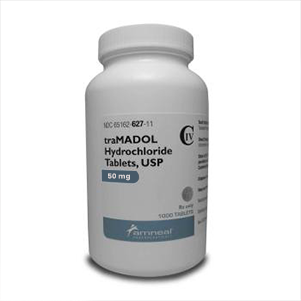
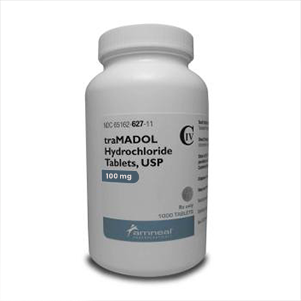
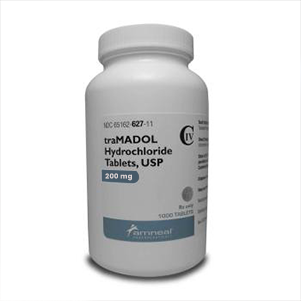
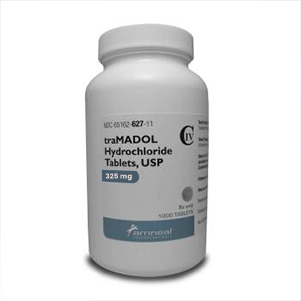
Common strengths include:
Availability varies by country and manufacturer.
How Tramadol Works
Tramadol helps reduce pain by acting on opioid receptors in the brain while also affecting the activity of the neurotransmitters serotonin and norepinephrine, which play a role in pain signaling.
The exact response can vary from person to person depending on factors such as age, genetics, kidney and liver function, and other medications.
Possible Side Effects
Like all prescription medications, tramadol can cause side effects.
Common side effects include:
Nausea
Dizziness
Drowsiness
Headache
Constipation
Dry mouth
Sweating
Seek immediate medical attention if you experience:
Slow or difficult breathing
Severe allergic reactions
Seizures
Loss of consciousness
Severe confusion
Symptoms of serotonin syndrome, such as agitation, fever, muscle stiffness, or rapid heartbeat
Important Safety Information
Before taking tramadol, tell your healthcare provider if you:
Have liver or kidney disease
Have breathing problems
Have epilepsy or a history of seizures
Have a history of substance use disorder
Are pregnant or breastfeeding
Take antidepressants or other medications that affect serotonin levels
Tramadol may impair alertness. Avoid driving or operating heavy machinery until you know how it affects you.
Do not stop taking tramadol suddenly after prolonged use without medical guidance, as withdrawal symptoms may occur.
Drug Interactions
Tramadol may interact with:
Other opioid medications
Benzodiazepines
Sleep medications
Certain antidepressants (SSRIs, SNRIs, MAOIs)
Muscle relaxants
Alcohol
Other medicines that depress the central nervous system
Always provide your healthcare provider with a complete list of all prescription medicines, over-the-counter products, vitamins, and supplements you use.
Frequently Asked Questions
Is tramadol an opioid?
Yes. Tramadol is an opioid analgesic with additional effects on serotonin and norepinephrine pathways.
Can tramadol cause dependence?
Yes. Regular use can lead to physical dependence, and there is a risk of misuse and addiction. It should only be taken as prescribed.
Can tramadol make you sleepy?
Yes. Drowsiness and dizziness are common side effects, particularly when starting treatment or after dose changes.
Can tramadol be taken with alcohol?
Alcohol should generally be avoided while taking tramadol because the combination can increase the risk of excessive sedation, respiratory depression, and other serious complications.
Storage Information
Store tramadol:
At room temperature
In a dry place away from heat and moisture
In its original container
Out of the reach of children and pets
Dispose of unused medication through an approved medicine take-back program or according to local disposal recommendations.
Learn More
For evidence-based information about tramadol, visit: