Diazepam – Complete Medication Guide
Diazepam is a prescription benzodiazepine medication used to treat a variety of conditions, including anxiety disorders, muscle spasms, certain seizure disorders, and symptoms associated with alcohol withdrawal. It is also used before some medical procedures to help reduce anxiety and promote relaxation. Diazepam is widely known by the brand name Valium®.
Diazepam works by enhancing the activity of gamma-aminobutyric acid (GABA), a neurotransmitter that helps calm excessive activity in the brain and central nervous system. By increasing GABA activity, diazepam may help reduce anxiety, relax muscles, and control certain types of seizures. Learn more about diazepam from MedlinePlus: https://medlineplus.gov/druginfo/meds/a682047.html.
This guide provides general educational information about diazepam, including its uses, available strengths, safety considerations, possible side effects, and frequently asked questions. It is intended for informational purposes only and should not replace professional medical advice.
What Is Diazepam?
Diazepam belongs to the benzodiazepine class of medications. It acts on the central nervous system to produce calming, muscle-relaxing, anticonvulsant, and sedative effects. Healthcare providers prescribe diazepam after carefully evaluating a patient's symptoms, medical history, and treatment goals.
Because diazepam can cause drowsiness, dependence, tolerance, misuse, and withdrawal symptoms, it should only be used exactly as prescribed. Additional prescribing information is available through DailyMed: https://dailymed.nlm.nih.gov.
Common Uses
Healthcare providers may prescribe diazepam for:
Anxiety disorders
Short-term relief of severe anxiety symptoms
Muscle spasms
Certain seizure disorders
Alcohol withdrawal symptoms
Sedation before certain medical or dental procedures
Other medically appropriate uses determined by a healthcare professional
People experiencing anxiety may develop symptoms such as excessive worry, restlessness, muscle tension, irritability, difficulty concentrating, sleep disturbances, and rapid heartbeat. Learn more about anxiety symptoms from the National Institute of Mental Health (NIMH): https://www.nimh.nih.gov/health/topics/anxiety-disorders.
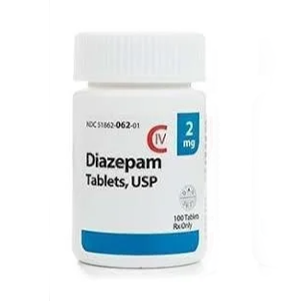
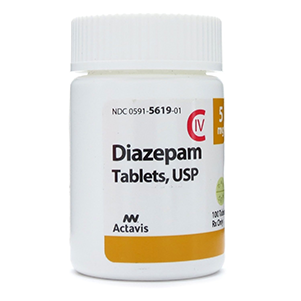
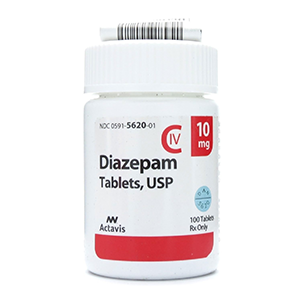
Available Strengths and Formulations
Diazepam is available in several formulations, including:
The appropriate dosage depends on the individual's condition, age, response to treatment, and other medications being taken.
How Diazepam Works
Diazepam increases the activity of GABA, the brain's primary inhibitory neurotransmitter.
Its effects may help:
Reduce anxiety
Relax skeletal muscles
Control certain seizure disorders
Ease symptoms of alcohol withdrawal
Promote relaxation before medical procedures
Response to treatment varies from person to person and should be monitored by a healthcare provider.
Possible Side Effects
Like all prescription medications, diazepam may cause side effects.
Common Side Effects
Drowsiness
Dizziness
Fatigue
Muscle weakness
Reduced coordination
Blurred vision
Difficulty concentrating
Serious Side Effects
Seek immediate medical attention if you experience:
Slow or difficult breathing
Severe allergic reactions
Extreme drowsiness
Confusion
Loss of consciousness
Unusual mood or behavioral changes
Worsening depression or suicidal thoughts
For complete safety information, refer to the U.S. Food and Drug Administration (FDA): https://www.fda.gov.
Important Safety Information
Before taking diazepam, tell your healthcare provider if you:
Have liver or kidney disease
Have breathing disorders
Have depression or other mental health conditions
Have a history of substance use disorder
Have glaucoma
Are pregnant or breastfeeding
Do not stop taking diazepam suddenly after prolonged use. Abrupt discontinuation may result in withdrawal symptoms such as anxiety, insomnia, tremors, agitation, and seizures.
Drug Interactions
Diazepam may interact with:
Combining diazepam with alcohol or other medications that depress the central nervous system may significantly increase the risk of excessive sedation, respiratory depression, coma, and other serious complications.
Storage Information
Store diazepam:
At room temperature
Away from heat, moisture, and direct sunlight
In its original container
Out of the reach of children and pets
Dispose of unused medication through an authorized medication take-back program whenever possible.
Frequently Asked Questions
What is diazepam used for?
Diazepam is prescribed for anxiety disorders, muscle spasms, certain seizure disorders, alcohol withdrawal symptoms, and sedation before some medical procedures.
Is diazepam the same as Valium?
Yes. Valium is the brand name, while diazepam is the active ingredient.
Can diazepam cause dependence?
Yes. Long-term or inappropriate use may lead to tolerance, physical dependence, and withdrawal symptoms. It should always be taken exactly as prescribed.
Can I drink alcohol while taking diazepam?
No. Alcohol can greatly increase the sedative effects of diazepam and may increase the risk of dangerous breathing problems and overdose.