Methadone – Complete Medication Guide
Methadone is a prescription opioid medication used to treat moderate to severe pain and as part of a comprehensive treatment program for opioid use disorder (OUD). It works by acting on opioid receptors in the brain to help relieve pain and, when used for opioid use disorder, reduce withdrawal symptoms and cravings under careful medical supervision. Learn more about methadone from MedlinePlus: https://medlineplus.gov/druginfo/meds/a682134.html.
This guide provides general educational information about methadone, including its uses, available strengths, safety considerations, possible side effects, and frequently asked questions. It is intended for informational purposes only and should not replace professional medical advice.
What Is Methadone?
Methadone belongs to the opioid analgesic class of medications. It has a long duration of action and is prescribed for two primary purposes:
Management of moderate to severe pain when other treatments are not appropriate.
Treatment of opioid use disorder as part of a structured program that includes medical supervision, counseling, and behavioral support.
Because methadone can cause respiratory depression, physical dependence, misuse, and overdose, it should only be used exactly as prescribed. Additional prescribing information is available through DailyMed: https://dailymed.nlm.nih.gov.
Common Uses
Healthcare providers may prescribe methadone for:
Moderate to severe chronic pain
Opioid use disorder (OUD)
Relief of opioid withdrawal symptoms under medical supervision
Other medically appropriate uses determined by a qualified healthcare professional
Symptoms of opioid withdrawal may include anxiety, muscle aches, sweating, nausea, vomiting, abdominal cramps, diarrhea, insomnia, and strong drug cravings. Learn more about opioid use disorder and treatment from the National Institute on Drug Abuse (NIDA): https://nida.nih.gov.
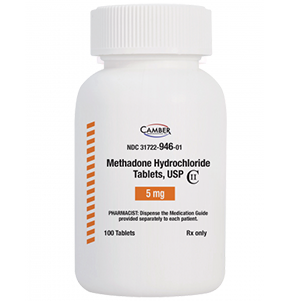
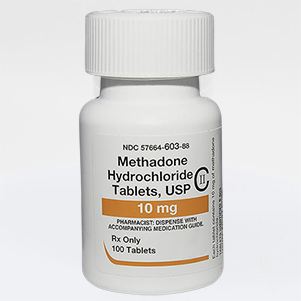
Available Strengths and Formulations
Methadone is available in several dosage forms, including:
The appropriate dosage varies depending on the condition being treated, previous opioid exposure, age, overall health, and response to therapy. Methadone dosing should always be individualized and closely monitored.
How Methadone Works
Methadone binds to opioid receptors in the brain and nervous system.
Its effects may help:
Relieve moderate to severe pain
Reduce opioid withdrawal symptoms
Decrease opioid cravings
Support long-term recovery when used as part of a comprehensive treatment program
Methadone has a long half-life, meaning it stays in the body longer than many other opioids. This makes careful dosing and medical supervision especially important.
Possible Side Effects
Like all prescription medications, methadone may cause side effects.
Common Side Effects
Drowsiness
Dizziness
Nausea
Vomiting
Constipation
Sweating
Dry mouth
Serious Side Effects
Seek immediate medical attention if you experience:
Slow or difficult breathing
Extreme drowsiness
Loss of consciousness
Chest pain or irregular heartbeat
Severe allergic reactions
Fainting
Symptoms of overdose
For complete prescribing and safety information, refer to the U.S. Food and Drug Administration (FDA): https://www.fda.gov.
Important Safety Information
Before taking methadone, tell your healthcare provider if you:
Have liver or kidney disease
Have breathing disorders such as asthma or COPD
Have heart rhythm problems or a prolonged QT interval
Have a history of substance use disorder
Are pregnant or breastfeeding
Take other medications that affect heart rhythm or cause drowsiness
Do not stop taking methadone suddenly without medical supervision, as withdrawal symptoms may occur.
Drug Interactions
Methadone may interact with:
Combining methadone with alcohol or sedating medications can significantly increase the risk of respiratory depression, overdose, coma, and death.
Storage Information
Store methadone:
At room temperature
Away from excessive heat and moisture
In its original container
Securely out of the reach of children and anyone for whom it was not prescribed
Unused methadone should be disposed of according to local medication take-back recommendations or other instructions provided by your pharmacist.
Frequently Asked Questions
What is methadone used for?
Methadone is prescribed for moderate to severe pain and as part of a medically supervised treatment program for opioid use disorder.
Is methadone an opioid?
Yes. Methadone is a long-acting opioid medication that should only be used under the supervision of a qualified healthcare provider.
Can methadone cause dependence?
Yes. Methadone can cause physical dependence with prolonged use. However, when used appropriately as part of opioid use disorder treatment, it can be an effective and evidence-based component of recovery.
Can I drink alcohol while taking methadone?
No. Alcohol can significantly increase the risk of excessive sedation, slowed breathing, overdose, and other life-threatening complications.