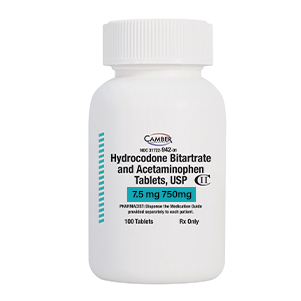
Hydrocodone – Complete Medication Guide
Hydrocodone is a prescription opioid analgesic used to help manage moderate to severe pain when other treatment options are not sufficient or appropriate. It is also available in certain combination products that contain ingredients such as acetaminophen. Hydrocodone works by changing how the brain and nervous system respond to pain.
Because hydrocodone is an opioid medication, it carries important risks, including misuse, addiction, physical dependence, respiratory depression, and overdose. It should only be used exactly as prescribed and under the supervision of a qualified healthcare professional.
This guide provides general educational information about hydrocodone, including its uses, available formulations, safety considerations, side effects, and frequently asked questions. It is not a substitute for professional medical advice.
What Is Hydrocodone?
Hydrocodone belongs to the opioid analgesic class of medications. It is prescribed to help relieve pain that cannot be adequately controlled with non-opioid medications or other therapies.
Treatment with hydrocodone should be individualized based on the patient's condition, medical history, pain severity, and response to therapy.
Common Uses
A healthcare provider may prescribe hydrocodone for:
Moderate to severe acute pain
Certain chronic pain conditions when appropriate
Pain following surgery or injury
Other approved medical uses determined by a healthcare professional
Hydrocodone should only be used when the expected benefits outweigh the potential risks.
Available Formulations
Hydrocodone is available in various formulations, including:
Immediate-release tablets
Extended-release formulations
Combination products containing acetaminophen or other ingredients
Strengths and formulations vary by manufacturer and country. Your healthcare provider will determine the appropriate medication and dosage based on your individual needs.
How Hydrocodone Works
Hydrocodone acts on opioid receptors in the brain and spinal cord to reduce the perception of pain.
Its effects may help:
Relieve moderate to severe pain
Improve comfort during recovery from injury or surgery
Support pain management when clinically appropriate
Because hydrocodone affects the central nervous system, it may also cause drowsiness and slowed breathing.
Possible Side Effects
Like all prescription medications, hydrocodone may cause side effects.
Common Side Effects
Drowsiness
Dizziness
Nausea
Vomiting
Constipation
Dry mouth
Fatigue
Serious Side Effects
Seek immediate medical attention if you experience:
Important Safety Information
Before taking hydrocodone, tell your healthcare provider if you:
Have breathing disorders such as asthma or COPD
Have liver or kidney disease
Have a history of substance use disorder
Are pregnant or breastfeeding
Have a head injury or seizure disorder
Do not stop taking hydrocodone suddenly after prolonged use without medical supervision, as withdrawal symptoms may occur.
Drug Interactions
Hydrocodone may interact with:
Combining hydrocodone with alcohol or sedating medications can significantly increase the risk of dangerous breathing problems, overdose, and death.
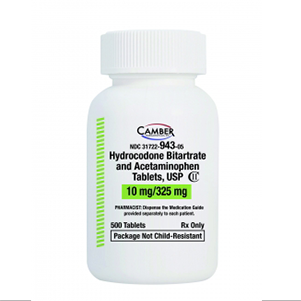
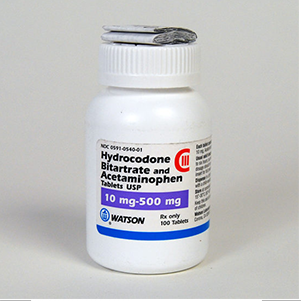
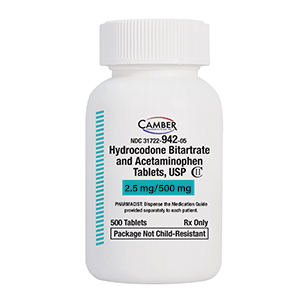
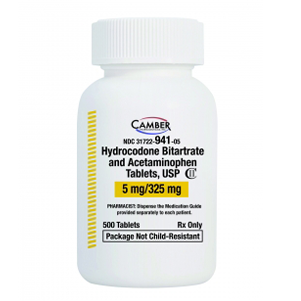
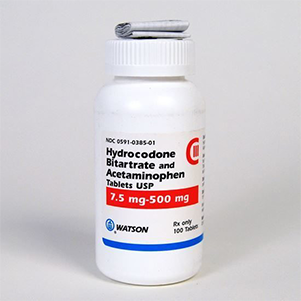
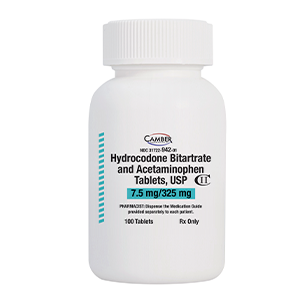
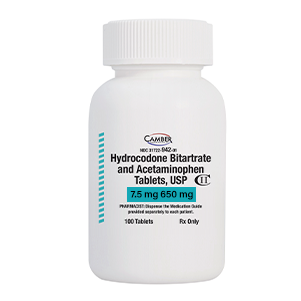
Common Hydrocodone Strengths and Formulations
Hydrocodone is available in several formulations. The specific product and dosage prescribed depend on the patient's medical condition, prior opioid exposure, and overall treatment plan. Healthcare providers typically prescribe the lowest effective dose for the shortest appropriate duration to reduce the risk of serious side effects and opioid-related harms.
Common hydrocodone-containing products include:
*Some older acetaminophen combination strengths may no longer be commonly marketed in certain countries because product formulations and regulatory recommendations have changed over time.
Frequently Asked Questions
What is hydrocodone used for?
Hydrocodone is prescribed to treat moderate to severe pain when other treatment options are not adequate or appropriate.
Is hydrocodone an opioid?
Yes. Hydrocodone is an opioid pain medication that should only be used under medical supervision.
Can hydrocodone cause dependence?
Yes. Hydrocodone has the potential to cause tolerance, physical dependence, misuse, addiction, and withdrawal symptoms, particularly with prolonged use.
Can I drink alcohol while taking hydrocodone?
No. Alcohol should be avoided because it can increase the risk of excessive sedation, respiratory depression, overdose, and other serious complications.
Storage Information
Store hydrocodone:
At room temperature
Away from moisture, heat, and direct sunlight
In its original container
Securely out of the reach of children, pets, and anyone for whom it was not prescribed
Unused opioid medications should be disposed of through an authorized medication take-back program whenever possible.
Learn More
For reliable, evidence-based information about hydrocodone, visit: