Gabapentin – Medication Information Gabapentin is a prescription medication commonly used to treat certain neurological conditions. It is approved to help manage postherpetic neuralgia (nerve pain following shingles) and is also used as an add-on treatment for certain types of seizures. In some situations, healthcare professionals may prescribe gabapentin for other medically appropriate uses based on an individual's condition.
This page provides general information about gabapentin, including its uses, available strengths, safety considerations, and frequently asked questions. Gabapentin should only be taken under the supervision of a qualified healthcare professional and according to the prescribed instructions.
What Is Gabapentin?
Gabapentin belongs to a class of medications known as gabapentinoids. Although its exact mechanism is not fully understood, it is thought to affect the way certain nerve signals are transmitted in the brain and nervous system, helping reduce abnormal nerve activity.
Healthcare providers may prescribe gabapentin for approved or clinically appropriate uses based on a patient's medical history and treatment goals.
Common Uses
Gabapentin may be prescribed for:
Postherpetic neuralgia (nerve pain after shingles)
Certain types of seizures (as adjunctive therapy)
Other conditions when considered appropriate by a healthcare professional
The appropriate use of gabapentin varies from person to person and should always be determined by a licensed clinician.
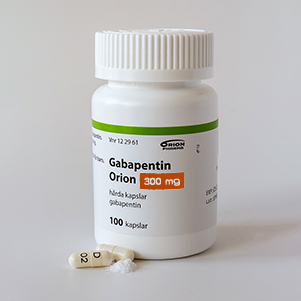
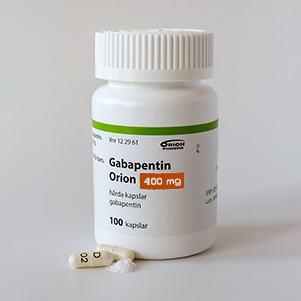
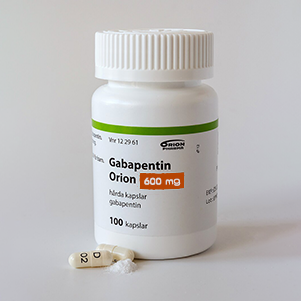
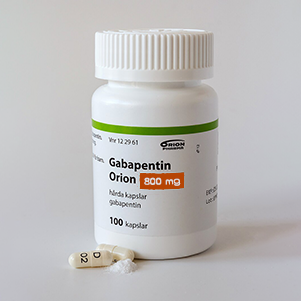
Available Strengths
Gabapentin is available in several strengths and dosage forms, which may include:
Your healthcare provider will determine the most appropriate dosage based on your condition, kidney function, age, and response to treatment.
Possible Side Effects
Like all prescription medications, gabapentin may cause side effects.
Common side effects include:
Seek immediate medical attention if you experience severe allergic reactions, difficulty breathing, significant mood changes, or other serious symptoms.
Important Safety Information
Before taking gabapentin, tell your healthcare provider if you:
Do not stop taking gabapentin suddenly unless instructed by your healthcare provider, as abrupt discontinuation may increase the risk of withdrawal symptoms or seizures in some individuals.
Drug Interactions
Gabapentin may interact with:
Always inform your healthcare provider about all prescription medications, over-the-counter medicines, vitamins, and supplements you take.
Frequently Asked Questions
Is gabapentin an opioid?
No. Gabapentin is not an opioid. It belongs to a different class of medications and works through different mechanisms.
Can gabapentin cause drowsiness?
Yes. Drowsiness and dizziness are among the most common side effects. Avoid driving or operating machinery until you know how the medication affects you.
Can I stop taking gabapentin suddenly?
No. Gabapentin should generally be tapered under medical supervision rather than stopped abruptly.
Learn More
For reliable, evidence-based information about gabapentin, visit: